

Overview
The major in Community, Education and Social Change combines classroom learning with hands-on community involvement and real-world experiences with community partners, developing practical skills and knowledge.
At a Glance
Curriculum
Why study community, education, and social change at Mount Allison?
The Community, Education and Social Change (CESC) major provides students with the knowledge and skills they need to understand their communities and help create positive social change in a wide variety of areas, such as:
- food security
- health care
- environmental sustainability
- gender and racial equity
- support for newcomers
- diversity and inclusion
- and more!
Core courses introduce students to ideas about social justice, community-based education, climate change and the environment, and Indigenous ways of knowing.
The major combines classroom learning with hands-on experience in the local community. Students:
- work with community partners
- learn from one another
- apply what they learn to real-world projects and challenges
- help shape their communities while learning from the people who live and work in them
Mount Allison’s location in rural New Brunswick is an important part of that experience, providing opportunities for place-based learning, applied research, and collaboration around community-identified priorities.
The Community Engaged Learning program offers:
- a major in Community, Education, and Social Change (60 credits)
- a minor in Community Engaged Learning (24 credits)
- an undergraduate certificate in Community Engaged Learning (18 credits)
Not sure about the difference between a major, a minor, an honours, and a certificate?
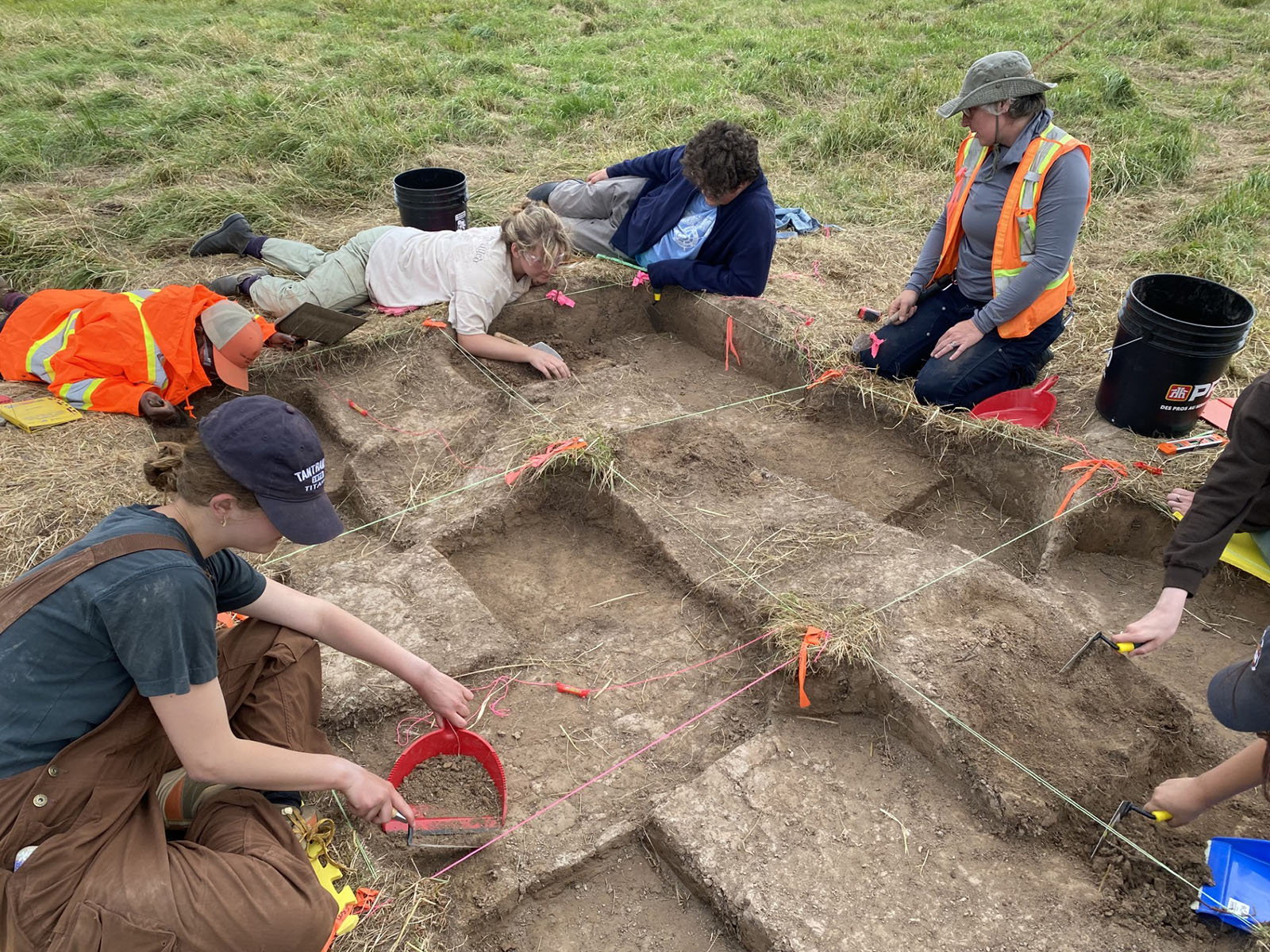
Program highlights
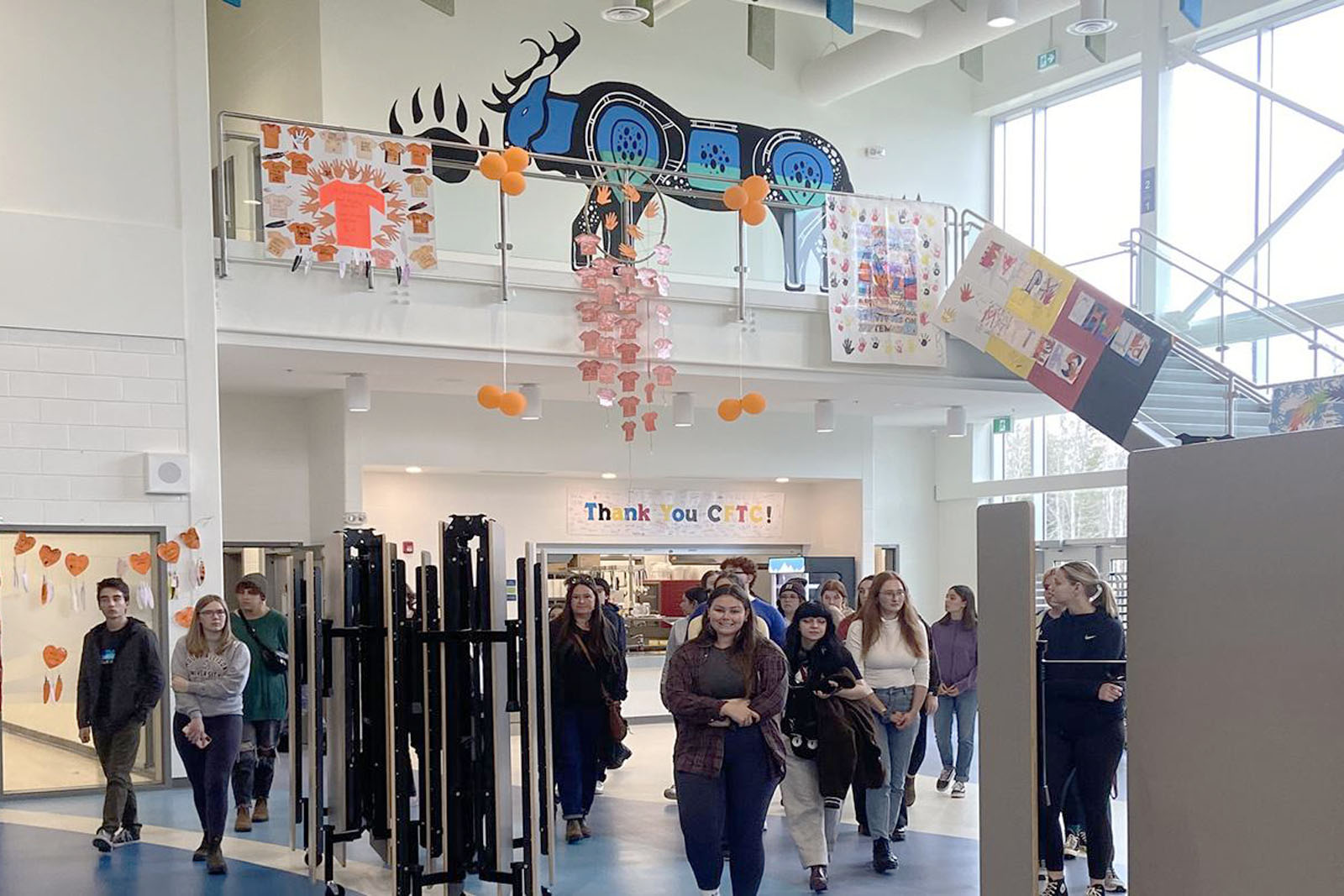
Community is the classroom
In this program, students engage directly with diverse community members, working with:
- schools (K-12)
- non-profit organizations
- municipal partners
- environmental groups
- cultural organizations
- and other community-based initiatives in the Tantramar region and beyond
The close relationship between the Municipality of Tantramar and the University creates multiple opportunities for students to gain applied knowledge and experience.
Working with local community partners provides an essential source of support for students in real-world contexts and shared goals.
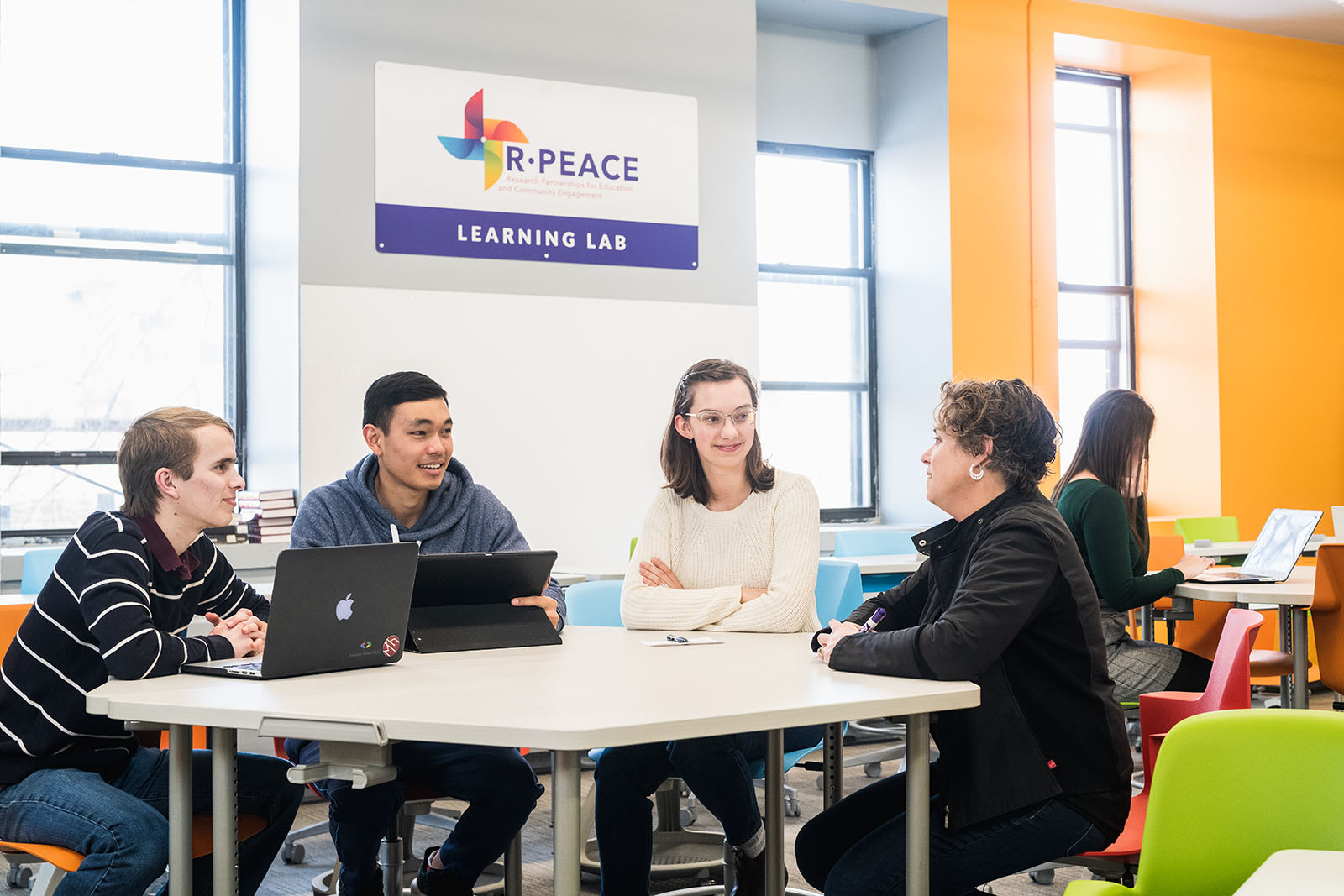
R-PEACE (Research Partnerships for Education and Community Engagement)
R-PEACE is a centre for engaged learning that creates meaningful connections between Mount Allison University and the local communities of Sackville, Dorchester, Port Elgin, Memramcook, Amherst, and others.
R-PEACE has a dedicated research space on campus located in Hart Hall, created as a space for flexible and project-based learning with space to collaborate and invite the community.
In first year, you'll take core courses in community based learning, covering a general introduction to the concept and tools of social change, mentorship in the education context, the essential and complex role of compassion, and decolonization through Indigenous ways of knowing.
Second-year courses cover theoretical approaches to community-engaged learning and community literacy (how we understand communities, their members, histories and needs). Students also begin working with ongoing community partners in structured projects.
Upper-year courses offer more in-depth study, offering opportunities for self-designed and self-directed projects in collaboration with a community partner in your area of interest.
Students also develop their interests by choosing one of three streams:
- Community-Supported Education — exploring education, mentorship, youth programming, and school-community partnerships.
- Climate and Environmental Advocacy — focusing on environmental sustainability, climate adaptation, public education, and community responses to environmental change.
- Sustainable Communities and Social Justice — examining equity, inclusion, food security, community planning, social systems, and local capacity-building.
Students take courses in each stream, but are encouraged to specialize in one of these areas.
The program also places you in community settings (schools, health care, environmental organizations, local non-profit and charitable groups, and more) as a practical element of your academic courses.
Students complete their major with a capstone project and program retreat.
CENL 1201 — Community and Social Change
This course introduces the idea of social change from a variety of disciplinary areas including Religious Studies, Modern Languages, Geography, Environmental Studies, Sociology, Music, Fine Arts and Biology. The course is for students who are looking to contribute to their community by addressing social change but are not sure how to get involved in this type of work. With knowledge garnered from years of community activism and research, this team-taught course introduces students to the conceptual tools that are crucial for community organizing, development and volunteer work.
CENL 2101 — Community Engagement in Schools
This course involves sustained participation in a major ongoing community project in connection with local schools. It introduces the field of community engaged learning in an educational context and facilitates the exploration of models of community supported education. It provides an opportunity to develop the skills and values necessary to establish community partnerships, engage in community advocacy, and participate in non-profit organizations.
CENL 2421 — Active Hope
This course investigates models and frameworks that are useful to students who are considering embarking on the path of environmental advocacy. Based on theories of critical hope, the course examines and critically assesses the various approaches to the grave problems of our time that are aimed at fostering resilience and facilitating collaborative work for ongoing engagement.
CENL 3301 — Critical Theories of Learning
This course introduces students to the fields of critical pedagogy and social justice education. It asks if knowledge serves to liberate people from oppression, what, then, is the role of pedagogy, teachers and educational institutions? The course aims to interpret educational systems and investigate innovative models for learning. Via a range of influential critical pedagogy theorists, it examines how class, race, religion, gender and disability inform power relations and impact accessibility within the educational system. The notion of learning and the learner form a central part of this critical work, with key examples from a range of contexts that serve to challenge conventional Western practices and open up more just ways of engaging.
INDG/CENL 3601 — Social Aspects of Place
This course explores Indigenous conceptions of place and environment through collaborative partnerships with First Nations people and communities.

Faculty Spotlight
Dr. Fiona Black
Professor, Religious Studies and Community Engaged Learning
What can I do with a community, education, and social change degree?
What is it like to study at Mount Allison?
The program brought together many of my passions: working with youth, working with community partners, being outside the classroom, building connections, and learning. A program designed for us to learn beyond the classroom walls alongside community members, classmates, and professors as we explore our passions and discover new ones.

Community, Education, and Social Change has provided me with real-life learning experiences through practicum placements in community schools, where I focused on socio-environmental challenges and learned directly from inspiring educators.
/current-students/community-engaged-learning-program
What are my admission requirements?
What other programs are related to community, education, and social change?
Community Engaged Learning
Community Engaged Learning (minor) integrates academic learning with community service, connecting course-based learning with real-world experiences with community partners.

Indigenous Studies
Indigenous Studies provides students with a theoretical, contextual, and engaged knowledge of Indigenous culture, history, politics, law, and community.
Environmental Studies
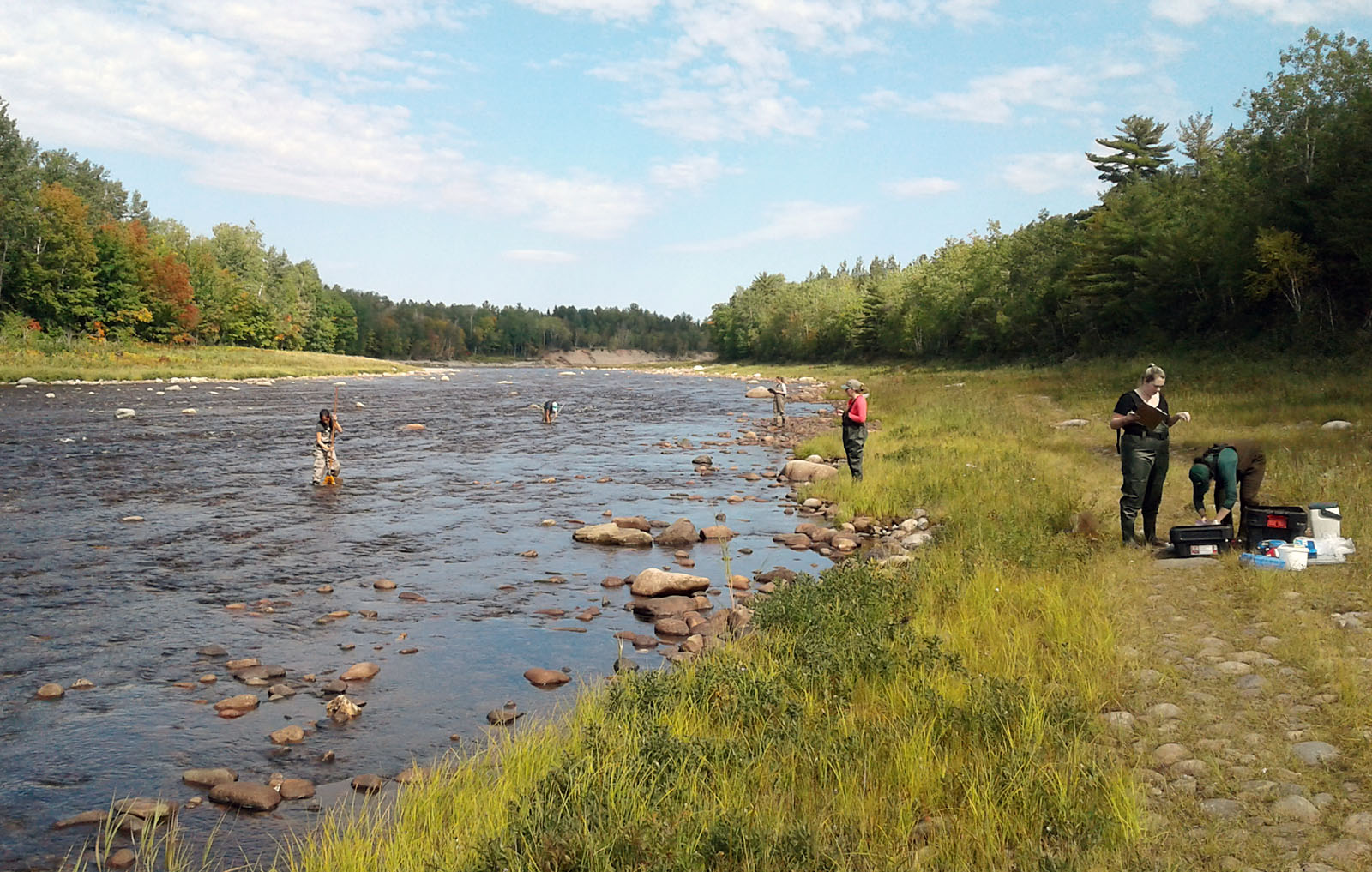
Environmental Studies focuses on the human dimensions of environmental change and problem-solving through environmental management, planning, and policy.