

Overview
The program involves understanding the public policy process, policy analysis, intergovernmental relations, economic forces and political considerations.
At a Glance
Curriculum
Why study Canadian public policy at Mount Allison?
The Canadian Public Policy program provides an adaptable and broad knowledge base for students interested in all levels of Canadian-based policy work, giving students a strong foundation in policy analysis and implementation.
Students engage with contemporary and historical issues to critically assess the inclusiveness, fairness and effectiveness of public policy making given time and resource constraints.
Canadian Public Policy is available as:
- BA major (60 credits)
- Minor in any degree (24 credits)
Not sure about the difference between a major, a minor, an honours, and a certificate?
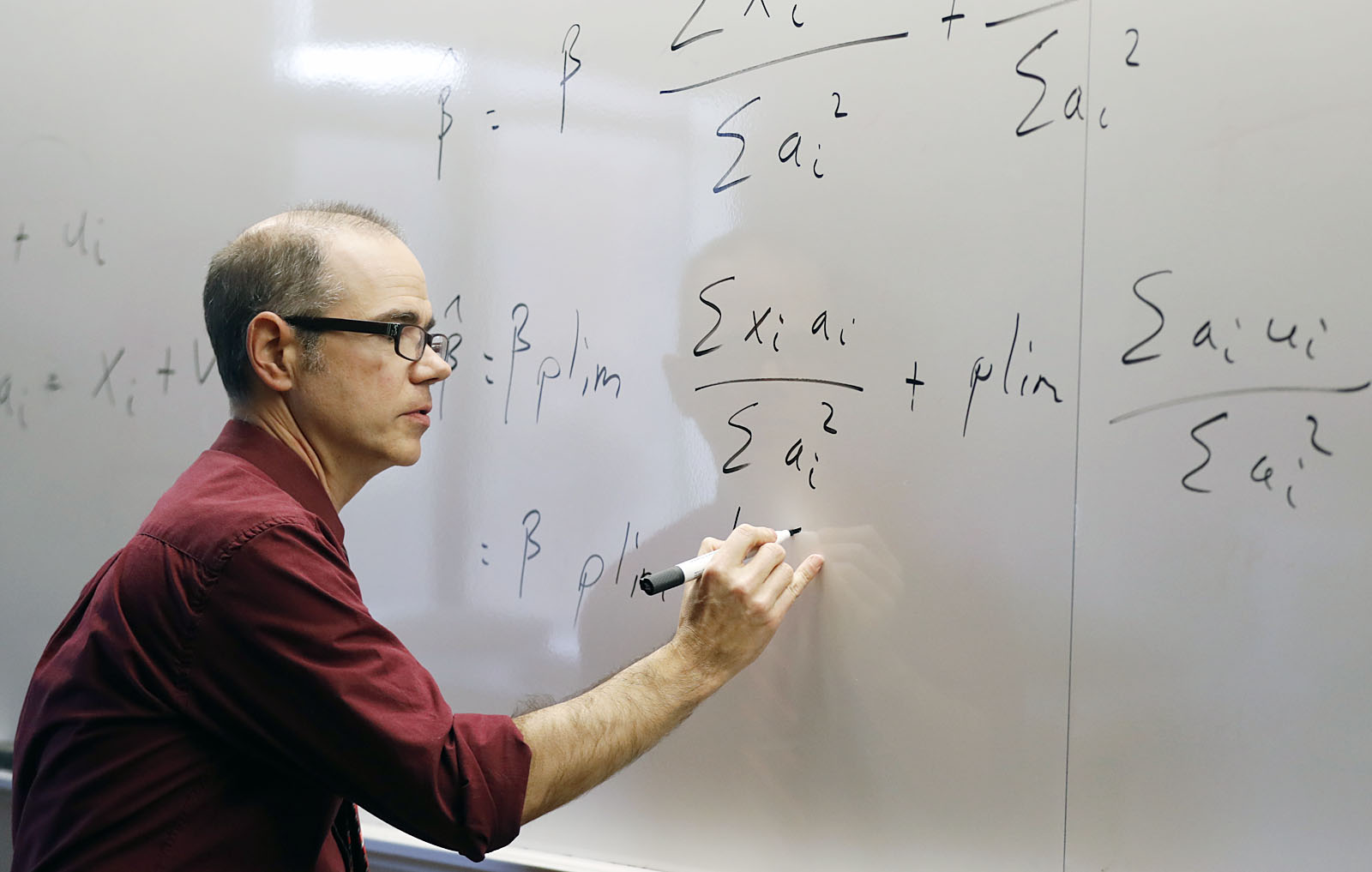
Canadian Public Policy program is inter and multi-disciplinary with students completing a common core set of courses anchored in political science and economics.
Topics of study include:
- theories and processes of public policy-making
- analysis of public policy fields like environment, health, and education
- political leadership in Canada
- Canadian federalism and intergovernmental relations
- social and legal issues and policies in regional, national, and international contexts
- organizational behaviour, financial and management accounting
To develop and deepen their interest, students select optional streams drawn from the disciplines of:
POLS 2101 — Canadian Government and Politics
This course is a study of the political process in Canada. It presents an overview of the constitution, institutions, and political actors that represent the essential components of Canada's political culture and government.
POLS 3141 — Canadian Public Policy
This course introduces students to theories of public policy-making and the policy-making process in Canada. It emphasizes decision-making, policy change, and implementation in exploring connections among actors, ideas, and institutions in various public policy fields including environmental, health, and social policy to reveal patterns of policy change.
ECON 2301 — Economic Issues in Canadian Public Policy I
This course introduces analytical methods used by social scientists examining Canadian social and economic policy by studying issues that arise perennially. Topics may include: unemployment and government policy, Canada and the global economy, social security reform, regionalism, education policy, health policy, and inflation.
GENV 3201 — Canadian Environmental Policy
This course studies the politics and policies of environmental problem-solving within the Canadian context. It examines key features of the Canadian political system - its parlimentary structure, robust federalism among others - in light of the nation's evolving environmental policy. It pays particular attention to the role of stakeholder dynamics and alternative regulatory tools and strategies (e.g., pollution taxes, best available technology, etc.).
SOCI 3701 — Social Policy Analysis
This course provides the opportunity for students to apply sociological theories and perspectives to the development and analysis of social policies and programs. Social policy is the arena in which citizens, professionals, non-governmental organizations, social movements, and government address the social inequities underlying the lived realities of individuals. The course leads to an understanding of how sociology can be applied in researching, developing, analyzing, and implementing 'real world' social policies and programs.
POLS 4161 — Disability Politics & Policy in Canada
This course examines the evolution of disability politics and policy in Canada. It emphasizes conceptualizations of disability, political participation, advocacy, and rights-based approaches to changes in public policy.
CANA 3821 — The Indian Act: Law, Policy, and First Nations
This course will focus on the origins, evolution, and contemporaneity of Canada's Indian Act and policies. Emphasis will be placed on First Nations resistance and survivance and efforts to overturn these colonial acts and policies through time.
Explore all Canadian Public Policy courses

Faculty Spotlight
Dr. Mario Levesque
Associate professor, Politics and International Relations
» Mount Allison professors in sciences, social sciences recognized with Paul Paré Awards
What can I do with a Canadian public policy degree?
Recognized by Maclean's as Canada's top undergraduate university, Mount Allison's strong academic reputation helps graduates stand out as they pursue diverse career paths.
The Canadian Public Policy program prepares students for potential careers in the public service (local, provincial, federal) and non-governmental organizations or in the private sector.
Key skills learned include critical thinking (policy analysis, policy process knowledge, public service norms), writing (policy analysis reports, policy briefs, cabinet memos) and communication (written, oral, online).
Popular career paths for Canadian Public Policy graduates include:
- public policy/business analyst
- lawyer
- municipal administrator
- government relations officer
- not-for-profit sector
- policy researcher
- policy consultant
- lobbyist
- legislative/executive assistant (for MPs, provincial representatives)
What is it like to study at Mount Allison?

Canadian Public Policy is the perfect program for somebody looking to get involved in government, public or private sectors, learn the skills of research and writing, and overall have a well-rounded degree. With the support of a tight-knit department this program opens doors and opportunities you may never have thought possible.
/current-students/department-politics-and-international-relations
What are my admission requirements?
What other programs are related to Canadian public policy?

Canadian Studies
Canadian Studies seeks to analyze and explain the Canadian experience and to explore Canada’s place in the world through Canadian-centred courses in a number of disciplines.
International Relations
IR examines the globalizing effects of economic, social, technological, environmental, military, and political processes, as well as issues of justice, responsibility, and human well-being.
Political Science
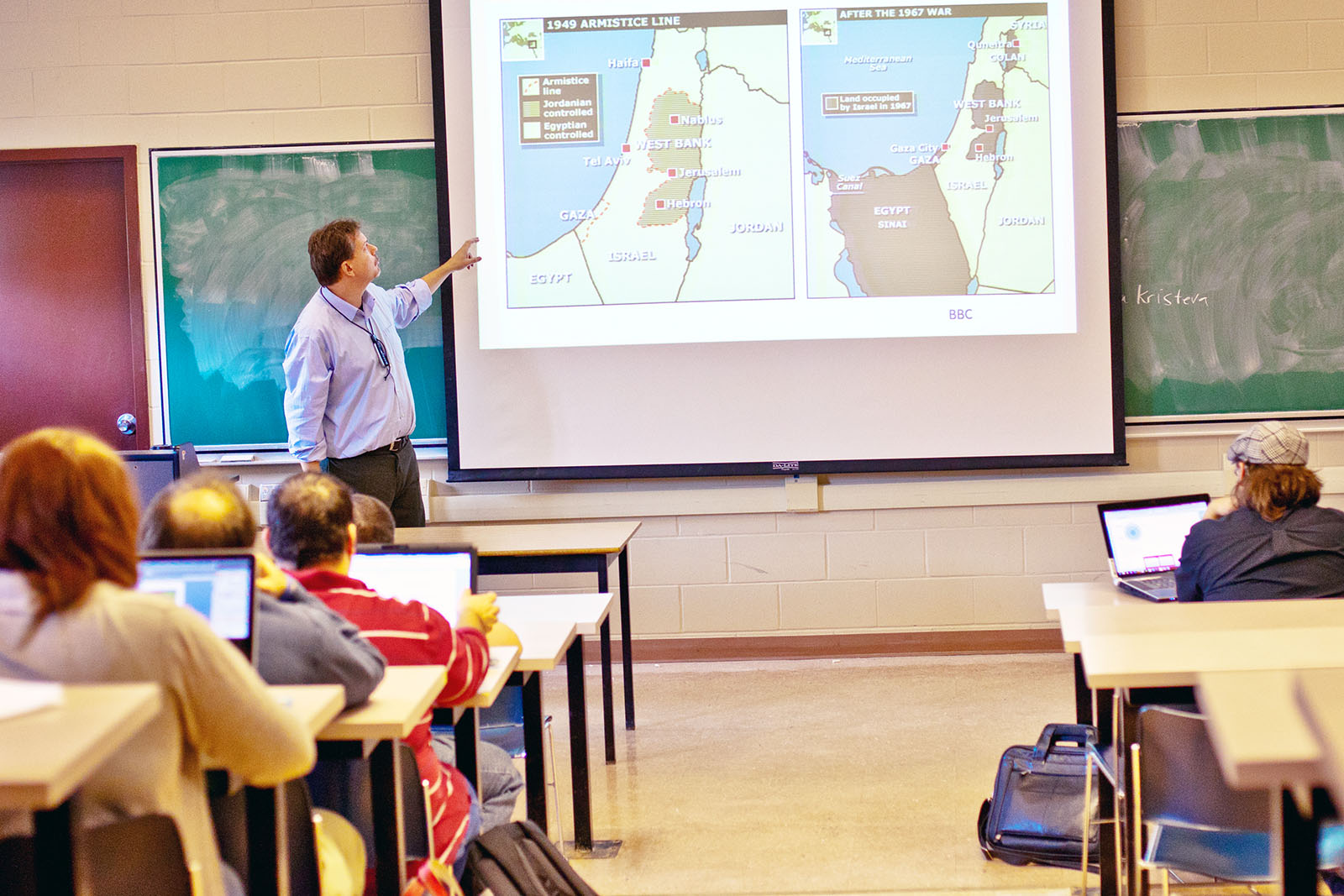
Political Science provides a strong foundation in Canadian and international politics, comparative politics, and political theory.