

Overview
The Bachelor of Music Education (BMusEd) is a unique pilot program.
Graduating students will be eligible to apply for New Brunswick Teaching Certificate 4, meaning they will be able to apply for teaching jobs without completing a second degree.
At a Glance
Curriculum
Why study music education at Mount Allison?
The Department of Music is one of the leading destinations for music study on Canada’s east coast.
Mount Allison's four-year Bachelor of Music Education degree (BMusEd) combines professional studies in music and education with extensive teaching internships in New Brunswick schools — preparing students to become skilled musicians and teachers.
The degree provides real-world teaching and learning experience with a balance of:
- general pedagogical training
- practical learning experiences (teaching internships)
- music-specific pedagogical approaches
- instruction in music theory, history, and performance
Small class sizes within program mean that you work closely with the department's talented and enthusiastic faculty, have constant access to instruments and practice rooms, and perform on stage on a regular basis.
Graduates of the program are eligible to apply for the New Brunswick Teaching Certificate 4.
Pilot program details
The Bachelor of Music Education is being offered as a pilot program for its first five years, which means it will be able to develop and respond to the needs of students in the years ahead.
Students enrolled in the program are expected to provide feedback and participate in data-gathering activities (surveys, focus groups, etc.) to help Mount Allison evaluate successes and challenges during (and after – i.e. graduate outcomes surveys) the pilot period.
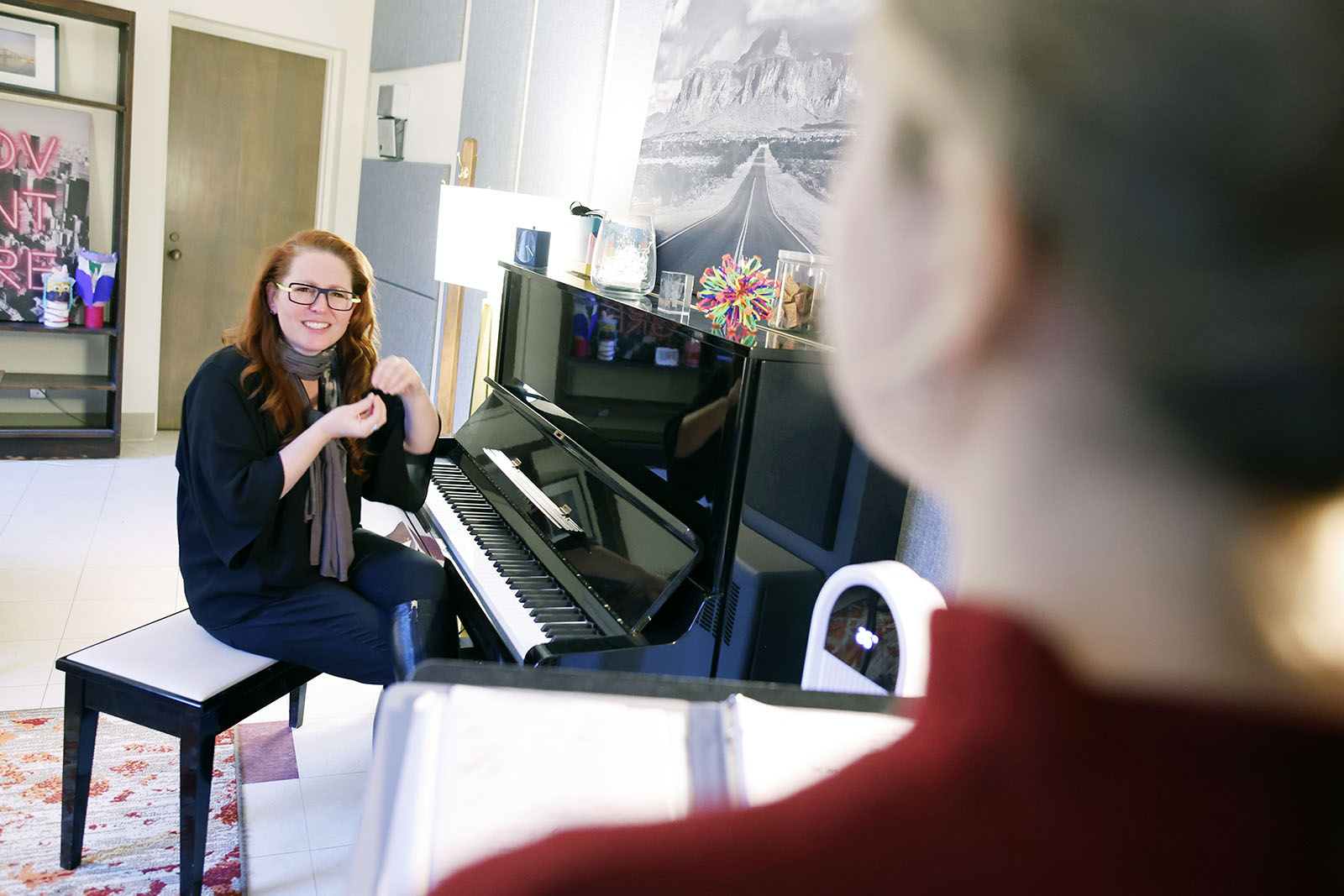
The Music department offers performance study in:
- voice
- piano
- strings
- woodwinds
- brass
- percussion
- guitar
- organ
- harpsichord
Program highlights
Marjorie Young Bell Conservatory of Music
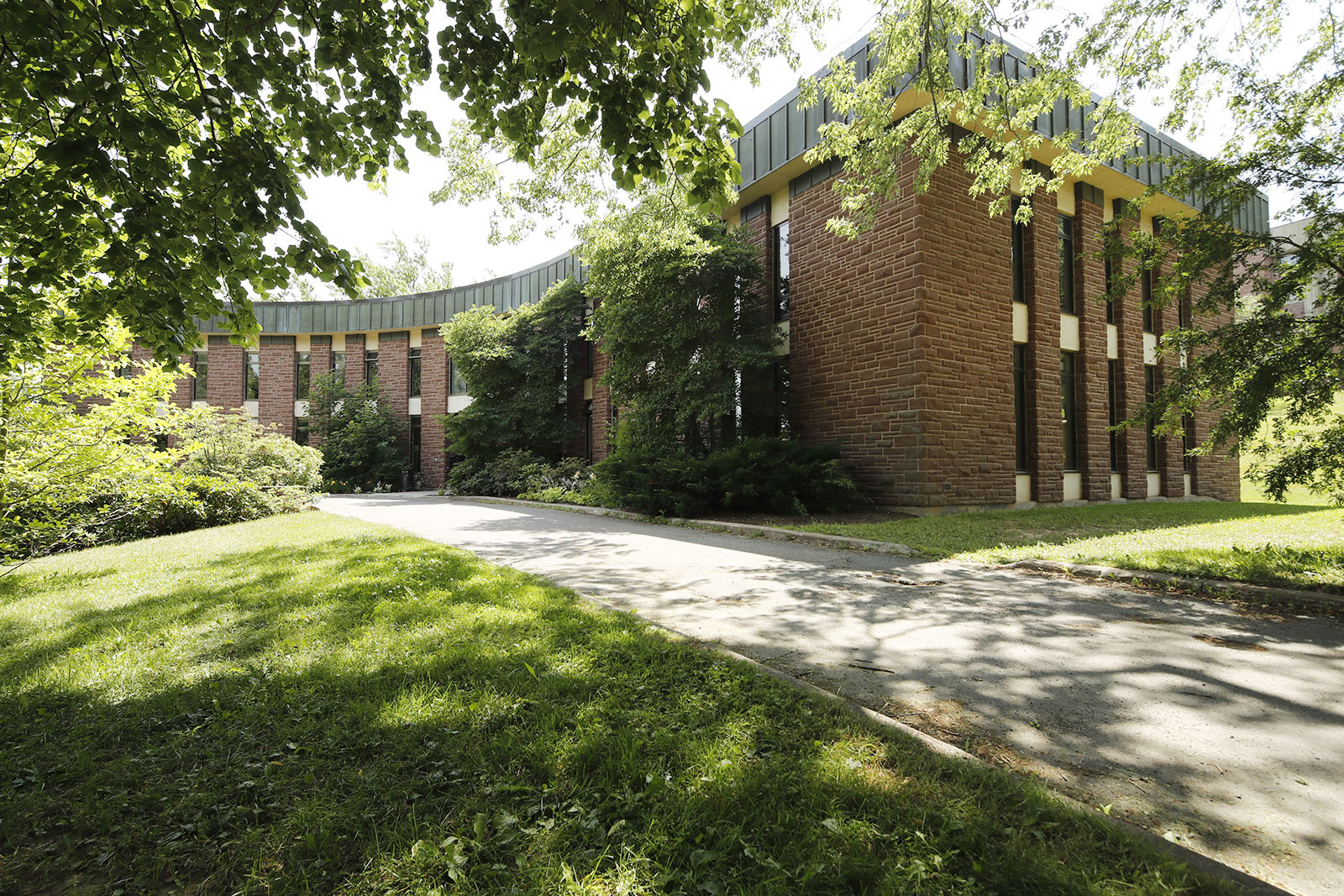
Mount Allison is home to one of the finest university music buildings in the country — the Marjorie Young Bell Conservatory of Music.
The Conservatory building is a vibrant hub of creative activity and research on campus, featuring:
- 310-seat concert hall, Brunton Auditorium, hosting more than 80 concerts, recitals, and guest speakers each year
- Classrooms, rehearsal spaces, and practice studios (most equipped with pianos)
- An extensive collection of instruments, including 15 grand pianos
- A computer lab with hardware and software for music notation, audio editing, and electroacoustic composition
- Choral and instrumental music collections
Our collection includes a Yamaha CFX Concert Grand, giving our Music department one of the best piano collections in Atlantic Canada.
Located in the Conservatory is the Alfred Whitehead Memorial Music Library, housing the largest musical resources collection in the Maritimes with more than 45,000 books, scores, audio recordings, and videos.
Perform!
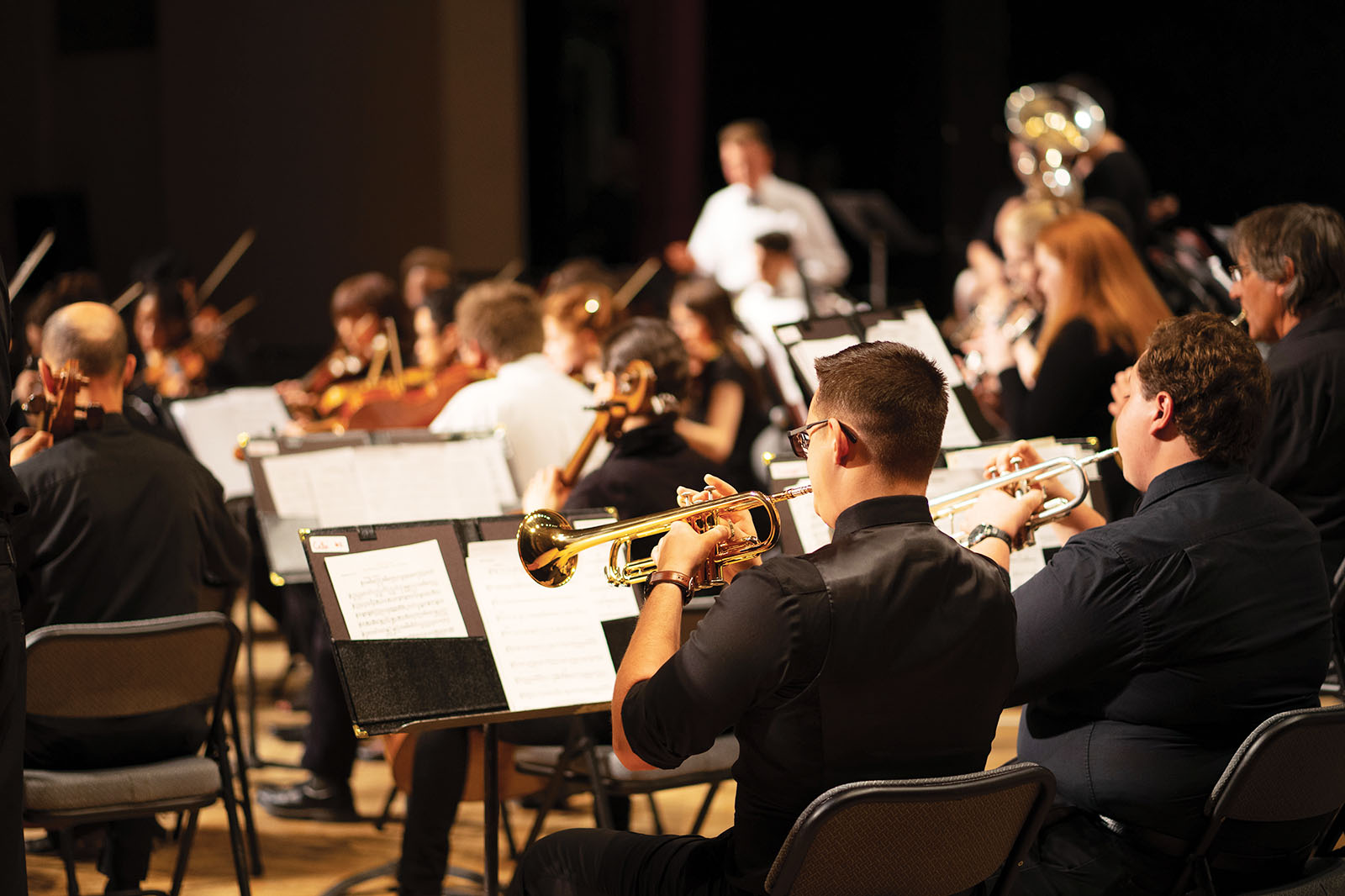
The Music department offers Music students the chance to perform in front of an audience on a weekly basis.
Music ensembles and societies include:
- Symphonic Band
- Chamber Orchestra
- Elliott Chorale
- Choral Society
- Jazz Ensemble
- New Music Ensemble
- Pep Band
- Garnet & Gold Musical Theatre Society
All large ensembles are open to all Mount Allison students.
The Music Education degree is comprised of three types of courses:
- a pedagogy core (including teaching practicums)
- a music core (some courses shared with the Bachelor of Music)
- electives (in a non-music subject)
The pedagogy core includes courses in general education, philosophy, psychology, human development, Indigenous education, sociology, and practical methods courses in music (instruments, classroom music, and conducting).
It also includes 18 weeks of teaching practicums in New Brunswick schools:
- 3-week internship after Year 2 in the spring (music classroom)
- 3-week internship after Year 3 in the spring (non-music classroom)
- 12-week internship in the fall of Year 4 (music classroom)
The music core includes courses in music history, music theory, musicianship and aural skills, and music creation. You'll also benefit from three years of applied music instruction (studio lessons) on your chosen instrument or voice. Participation in ensembles (i.e. choirs, symphonic band, chamber orchestra) is required throughout the program, leading to greater mastery in an instrument/voice.
Elective courses in a single subject area outside of music ensure that students graduate with a secondary area of specialization (a second teachable area).
Note: Two spring/summer courses are required in Years 1, 2, and 3 (which include teaching practica and foundational education courses).
MUSC 2301 — Music, School, and Society
This course introduces students to foundational principles and current issues in music education, centering issues of diversity, inclusion, and social justice. It explores intersections of music, education, people, and social identities including class, race/ethnicity, gender, and sexuality.
Topics include teacher identities; cultural humility; anti-racist and critical pedagogies; trauma-informed approaches; ableism, disability and neurodiversity; gender-affirming approaches; and the policies, history, and politics surrounding these issues.
MUSC 3311 — Elementary Methods
This course examines aspects of instruction in the elementary school classroom. Topics include lesson planning and pacing; navigating curriculum documents; finding and critically evaluating teaching resources; assessment and evaluation; classroom and behaviour management, maximizing student engagement; working with vulnerable populations; trauma-informed approaches; and professional ethics.
The primary practical implementation of these concepts will be in the elementary school music classroom and will demonstrate interactive, play, and movement-based approaches drawn from Kodály, Dalcroze, and Orff methods.
An introduction to classroom instruments (ukulele, recorder, barred instruments, percussion) is also included.
MUSC 3361 — Ensemble Leadership
This course explores both traditional and evolving leadership models in school music settings, with particular focus on the potential of student-centred approaches to establish relationships, promote authentic learning, encourage independent thought, and foster leadership in others.
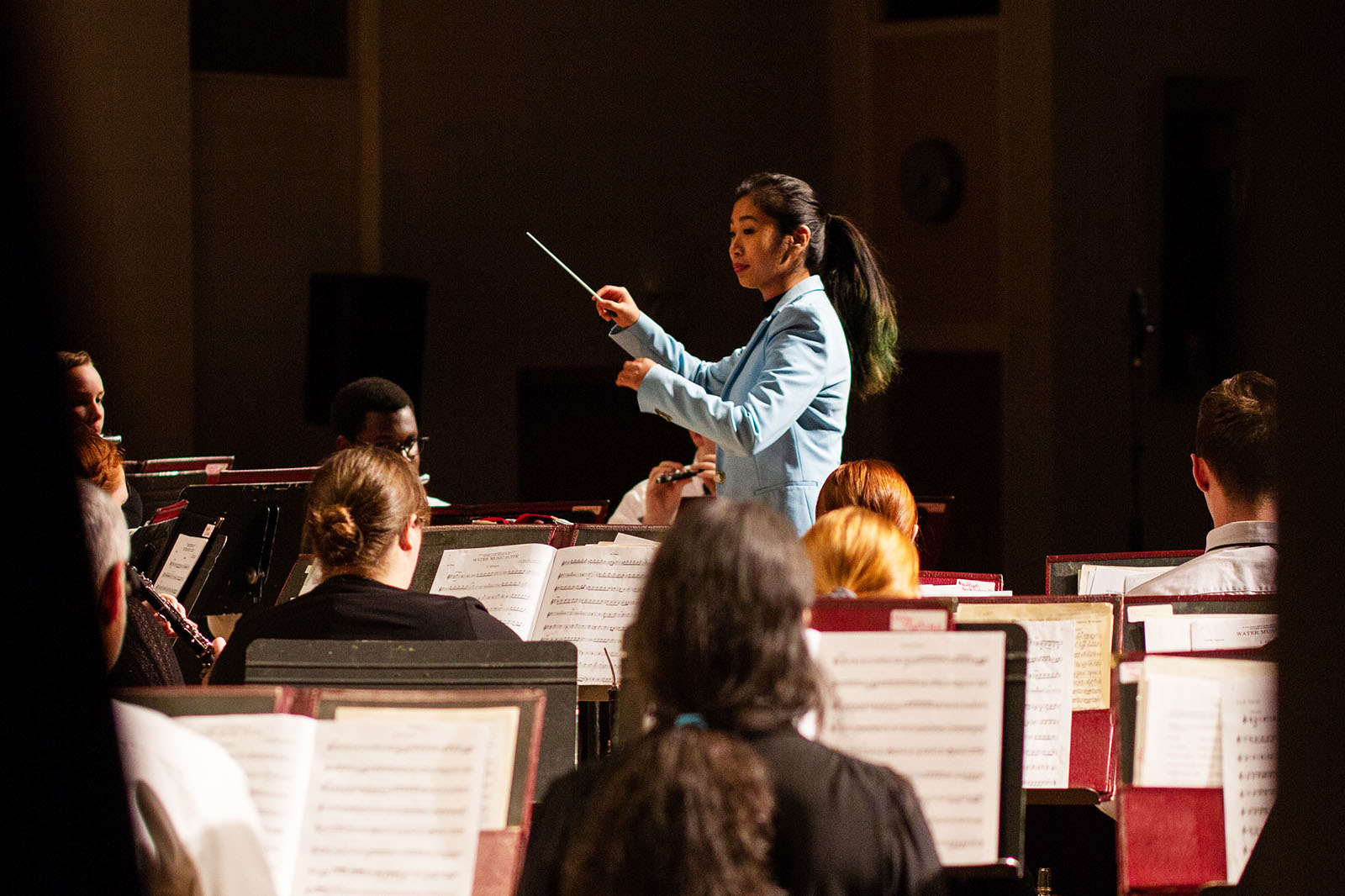
The course examines approaches and resources for teaching music ensembles in school and community settings. Students will develop practical strategies to create and maintain vibrant music education programs through ensemble participation.
Additional topics include integrating curriculum outcomes in ensemble rehearsals; long- and short-term program planning; selecting inclusive and diverse repertoire; collaboration as part of a school team; and professionalism.
MUSC 4311 — Secondary Methods
This course examines aspects of instruction in the high school classroom. Topics include implementing social constructivist approaches in practice; lesson planning and delivery; finding and critically evaluating teaching resources; assessment and evaluation; aligning goals, activities, and assessment using Bloom’s Taxonomy; Universal Design for Learning; integrating technology; working with vulnerable populations including queer and gender-expansive youth; trauma-informed approaches; and professional ethics. The primary practical implementation of these concepts will be in the high school music classroom.
MUSC 3321 — Brass Methods
This practical course acquaints the student with the basic skills necessary for the playing and teaching of the instruments of the brass family. It concentrates on basic embouchure formation, posture, hand position, fingering or slide position, proper breathing, and methodology.
PSYC 2801 — Educational Psychology
This course introduces selected principles, research findings, and theories of psychology considered relevant to teaching and learning. Topics include: human development and learning, including developmental changes; motivational and learning processes; exceptionalities and other individual differences; dynamics of social groups; and the evaluation of teaching and learning.
INDG/SOC 3401 — Indigenous Education
This course explores historical and contemporary issues in Indigenous education. Topics may include traditional forms of education, colonial forms of education, Indigenous control of Indigenous education, and the Indigenization of education.

Faculty Spotlight
Dr. Kiera Galway
Assistant Professor — Music Education, Choral Society, Elliott Chorale
Dr. Galway is engaged with community music projects, local schools, and numerous research activities including through the Mount Allison Children’s Choir and the Together Time interdisciplinary literacy program.
What can I do with a music education degree?
Recognized by Maclean's as Canada's top undergraduate university, Mount Allison's strong academic reputation helps graduates stand out as they pursue diverse career paths.
Through professional experience within a small university, students develop practical skills and critical thinking abilities for any professional career in music.
Graduates of the Bachelor of Music Education degree are eligible to apply for the New Brunswick Teaching Certificate 4 (required to teach in public elementary, middle, and high schools).
Graduates can also upgrade to a Certificate 5 by completing 30 additional approved credits after graduation. For details, visit the GNB website and consult with Music Education for further guidance.
Popular career paths for Music Education graduates include:
- music teacher at the elementary or secondary level
- private music instructor
- music director
- choral or instrumental conductor
- music therapist
- arts administrator
- music librarian
- instrumental performer and conductor
/current-students/department-music
What are my admission requirements?
Applying to the Bachelor of Music Education
To apply to the Bachelor of Music Education (BMusEd) degree, follow all the same steps as for the Bachelor of Music (BMus):
- Apply for general admission to Mount Allison.
- Apply to the Bachelor of Music — including submitting a music application form (within the general admission form), completing an audition, and submitting a reference letter.
What other programs are related to music education?
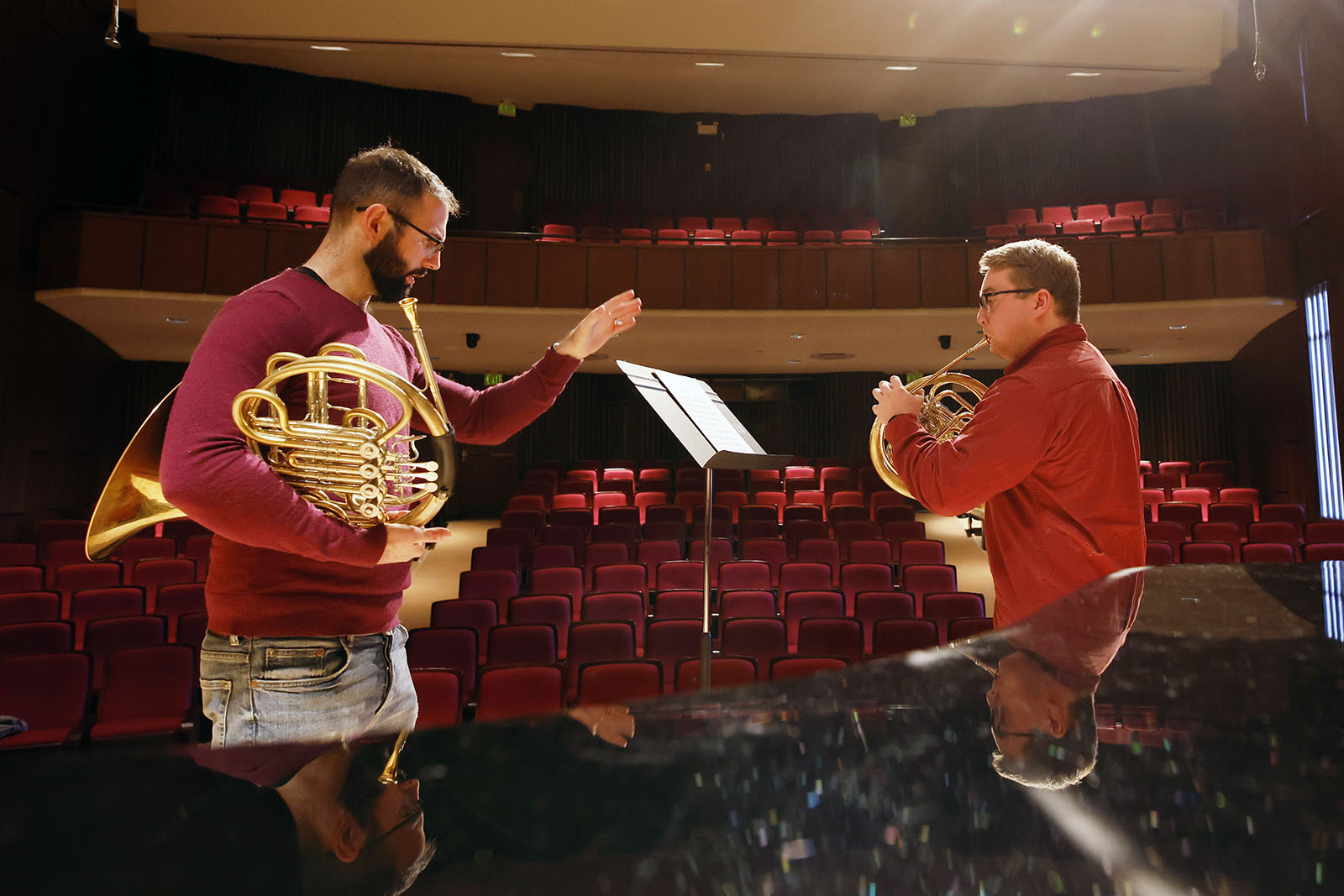
Music
The Music program helps you develop into a well-rounded musician with experience in performance, theory, music history, and music education, as well as a sound basis in the liberal arts.
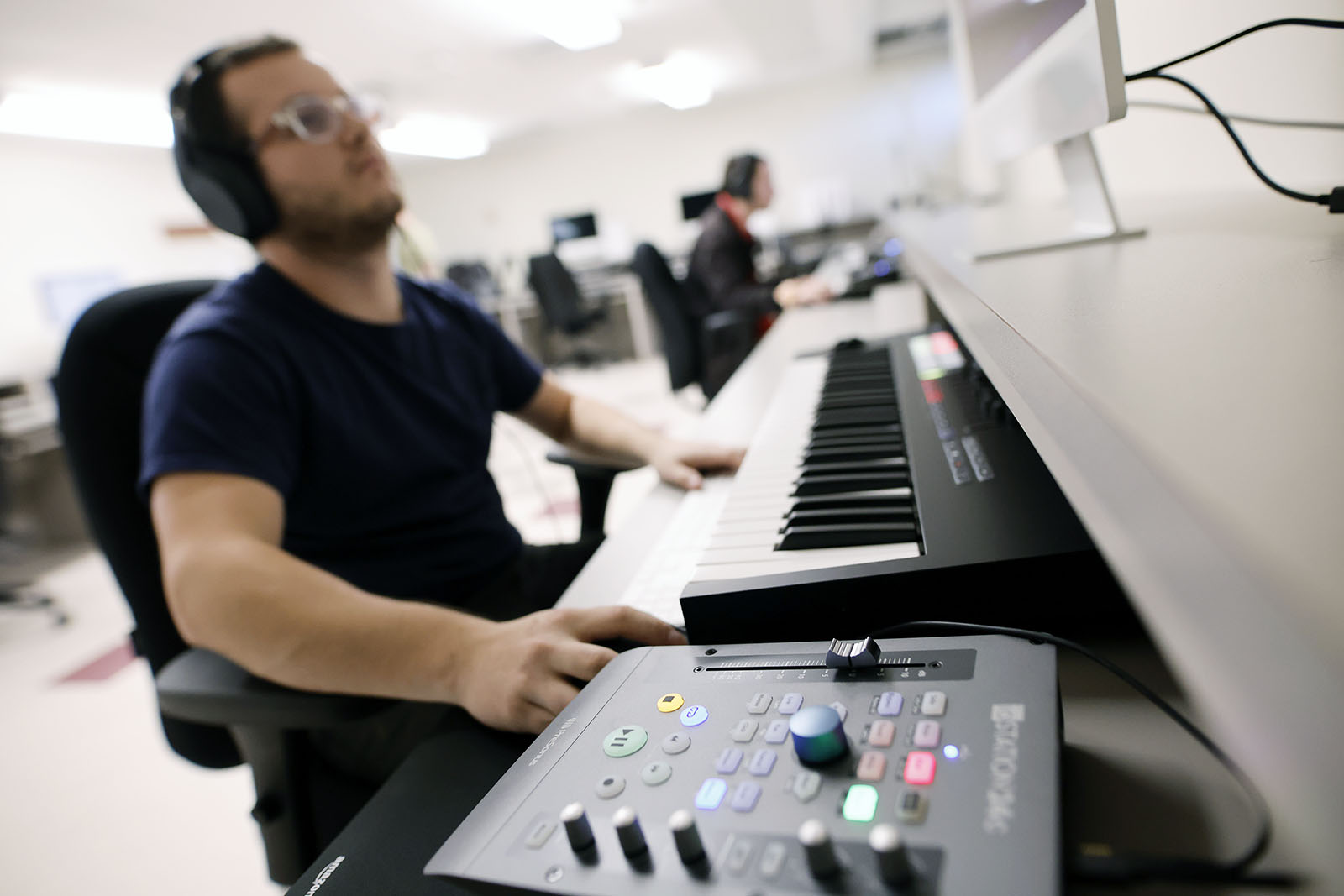
Computer Science and Music
The Computer Science and Music program combines technology and music, focusing on the practical applications of technology and the production of creative outputs that use technology.
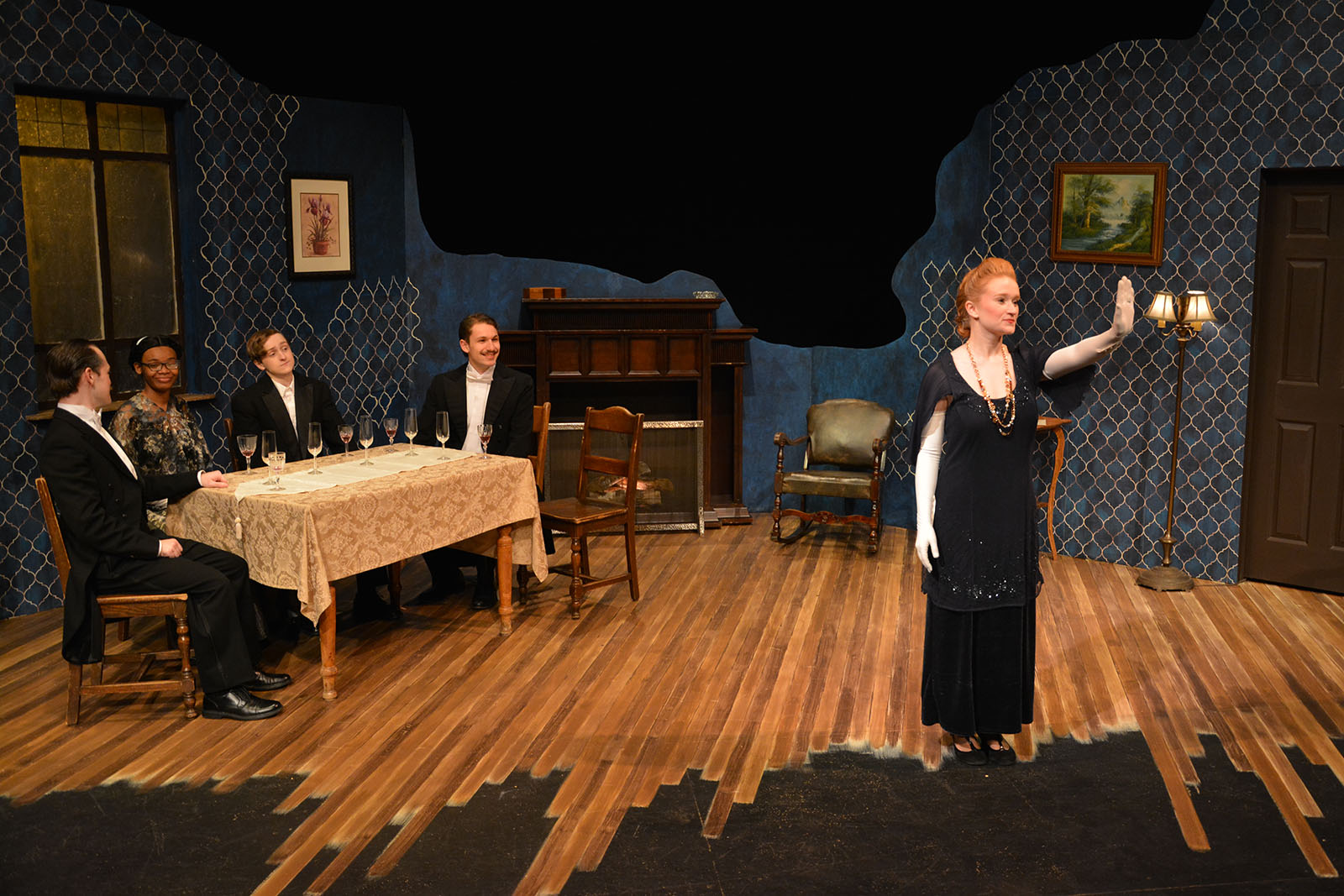
Drama Studies
Drama Studies provides an education in drama and theatre, introducing students to many areas of the discipline including acting, production, directing, design, dramatic theory and literature.