

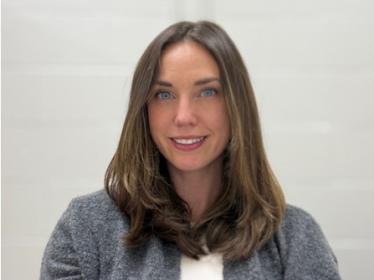
Taylor Sheahan
Publications
Sheahan, T. and Wieden, H-J.*, (2022) Ribosomal Protein S1 Improves the Protein Yield of an In Vitro Reconstituted Cell-Free Translation System. ACS Synthetic Biology, 11(2): 1004-1008.
Sheahan, T. and Wieden, H-J.*, (2021) Emerging Regulatory Challenges of Next-Generation Synthetic Biology. Biochemistry and Cell Biology, 99(6): 766-771.
Sheahan, T., Hakstol, R., Kailasam, S., Glaister, G.D., Hudson, A.J., and Wieden, H-J.*, (2019) Rapid Metagenomics Analysis of EMS Vehicles for Monitoring Pathogen Load Using Nanopore DNA Sequencing. PLoS ONE, 14(7): e0219961.
Sheahan, T. and Briens, L.* (2015) Passive Acoustic Emissions Monitoring of Pellet Coat Thickness in a Fluidized Bed. Powder Technology, 286: 172-180.
Sheahan, T. and Briens, L.* (2015) Passive Acoustic Emissions Monitoring of the Coating of Pellets in a Fluidized Bed – A Feasibility Analysis. Powder Technology, 283: 373-379.
Education
Ph.D. Biomolecular Sciences, University of Lethbridge, 2022
Engineering Cell-Free Systems for Synthetic Biologists
M.E.Sc. Biomedical Engineering, Western University, 2015
Passive Acoustic Emissions Monitoring of Fluidized Bed Pellet Coating
B.Sc. Chemical Engineering, Queen’s University, 2013
Industry Experience
PD Scientist, Analytical Services, BIOVECTRA, Dartmouth, NS (Apr 2023 – Oct 2024)
Research Assistant, RPC, Fredericton, NB (Aug 2022 – Apr 2023)
Lead Molecular Biologist, Liberum Biotech Inc., Kitchener, ON (Jul 2021 – Aug 2022)
Teaching
Fall 2026
CHEM 1991 – Chemistry in Society
BIOC 3521 – Protein Biochemistry
Winter 2027
CHEM 3421 – Analytical Chem II
BIOC 4031 – Signal Transduction
Research
The Sheahan Lab explores how biological systems function outside living cells. These cell-free systems use the molecular machinery of cells to read genetic information and produce proteins in a test tube, making them powerful tools for research, biotechnology, and rapid diagnostics.
One exciting application of this technology is the development of cell-free biosensors, which are portable tests that can rapidly detect environmental contaminants, disease biomarkers, viruses, and other important molecules without the need for specialized laboratory equipment. While these technologies show tremendous promise, most remain at the proof-of-concept stage because we do not fully understand the molecular processes that determine how they function.
Our research seeks to uncover the fundamental biological principles that govern gene expression in E. coli-based cell-free systems. By investigating how environmental conditions, genetic design, and the biochemical properties of these systems interact, we aim to develop predictive design rules that enable more reliable and robust cell-free technologies.
Ultimately, this work will advance our understanding of gene expression outside living cells while supporting the development of next-generation biosensors and other synthetic biology technologies, including cell-free biomanufacturing and genetic circuit design.
By applying these fundamental design principles, we also develop cell-free biosensors that address challenges relevant to New Brunswick and the Maritimes, with a focus on applications that benefit local communities, industries, and the environment.