


In secret kept
What can DNA tell us about one of the world’s most celebrated writers — and, just as importantly, what can the process of finding out teach us about the future of archival research in Canada?
Those questions are at the heart of an ambitious interdisciplinary project involving Mount Allison researchers Dr. Sarah Fanning, Dr. Vett Lloyd, and University Archivist David Mawhinney, alongside internationally recognized Canadian-born geneticist Professor Turi King, Dr. Claire O’Callaghan (U.K.), and Dr. Deborah Lutz (U.S.).
The Social Sciences and Humanities Research Council-funded project, ‘In secret kept, in silence sealed’: Reframing the Life of Charlotte Brontë through Genomics and Literary History, is a collaboration between drama and screen studies, biology, and the Libraries and Archives — fields that do not often find themselves around the same research table.
And that is precisely the point.
At the centre of the research are strands of hair believed to have belonged to Charlotte Brontë, author of Jane Eyre. Through DNA extraction and genome sequencing, the team hopes to learn more than it can now and explore what genetic information might add to what we already know about Brontë’s life.
DNA cannot provide a definitive medical biography of someone who lived nearly 200 years ago any more than it can for someone alive now. It may, however, point toward certain traits or possible predispositions — information that must be interpreted carefully alongside the historical record, literary scholarship, and what is already known about Brontë’s life.
That need for context is part of what makes the research so well suited to an interdisciplinary approach.
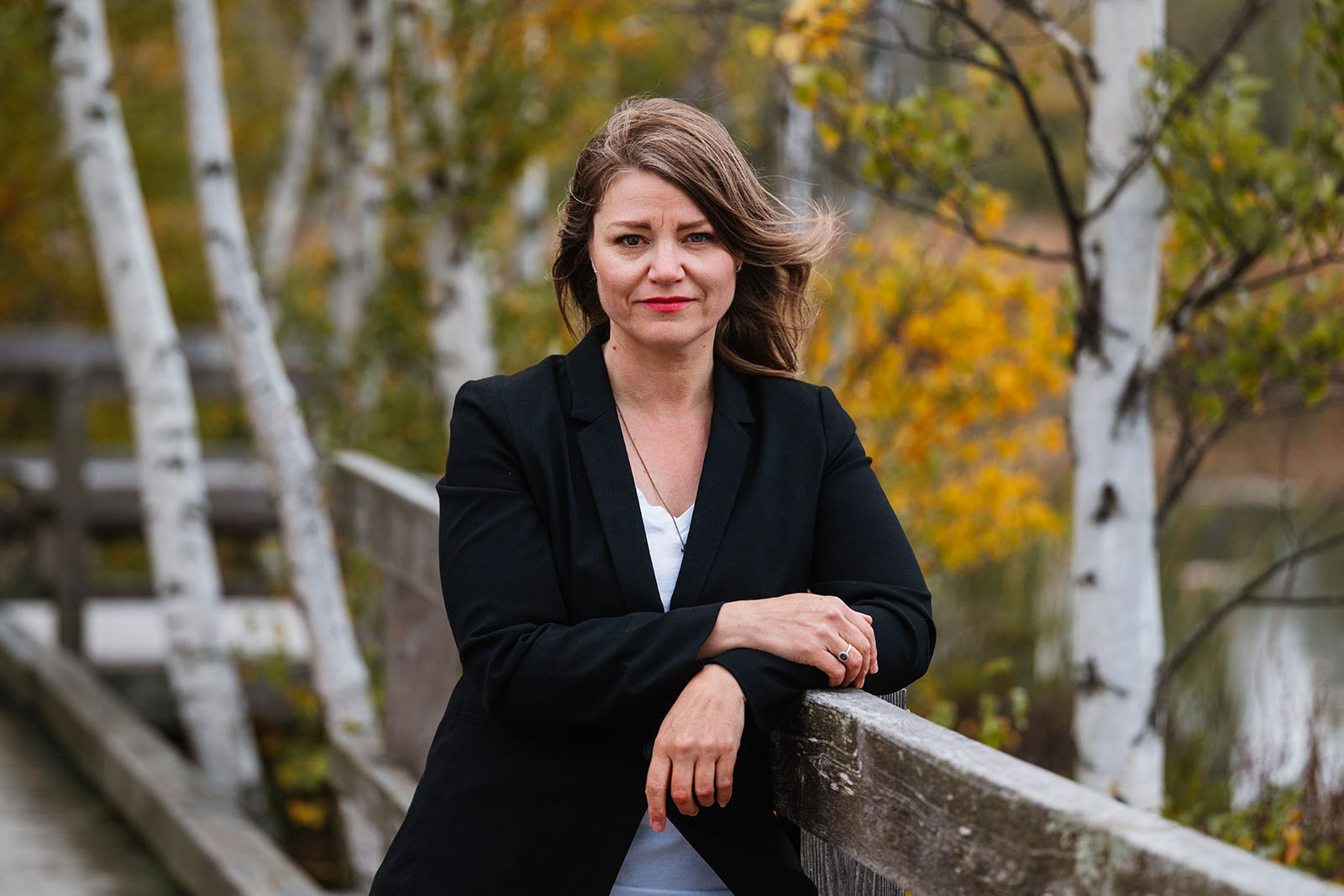
For Fanning, whose doctoral research focused on the Brontës, literary adaptation, screen media, and neo-Victorian studies, genomic information represents an entirely different kind of primary source — one that can be newly considered alongside letters, manuscripts, biographies, and literary scholarship.
Lloyd brings the perspective of a biologist, asking what information may be held within the DNA, what science can reasonably tell us, and where its limitations lie.
Mawhinney comes with another set of questions: those of an archivist responsible for preservation, access, stewardship, and the challenges that arise when an archival object is also biological material.
“We’re learning as we go,” says Mawhinney.
Part of that learning is asking a question archivists have not traditionally had to consider: how do you archive DNA?
Canadian archival practices around biological materials are still developing. There are questions about how material such as hair should be identified and stored, how it can be protected from contamination, who should have access to it, and what responsibilities archives have when an object may contain genetic information about both the person it came from and their living relatives.
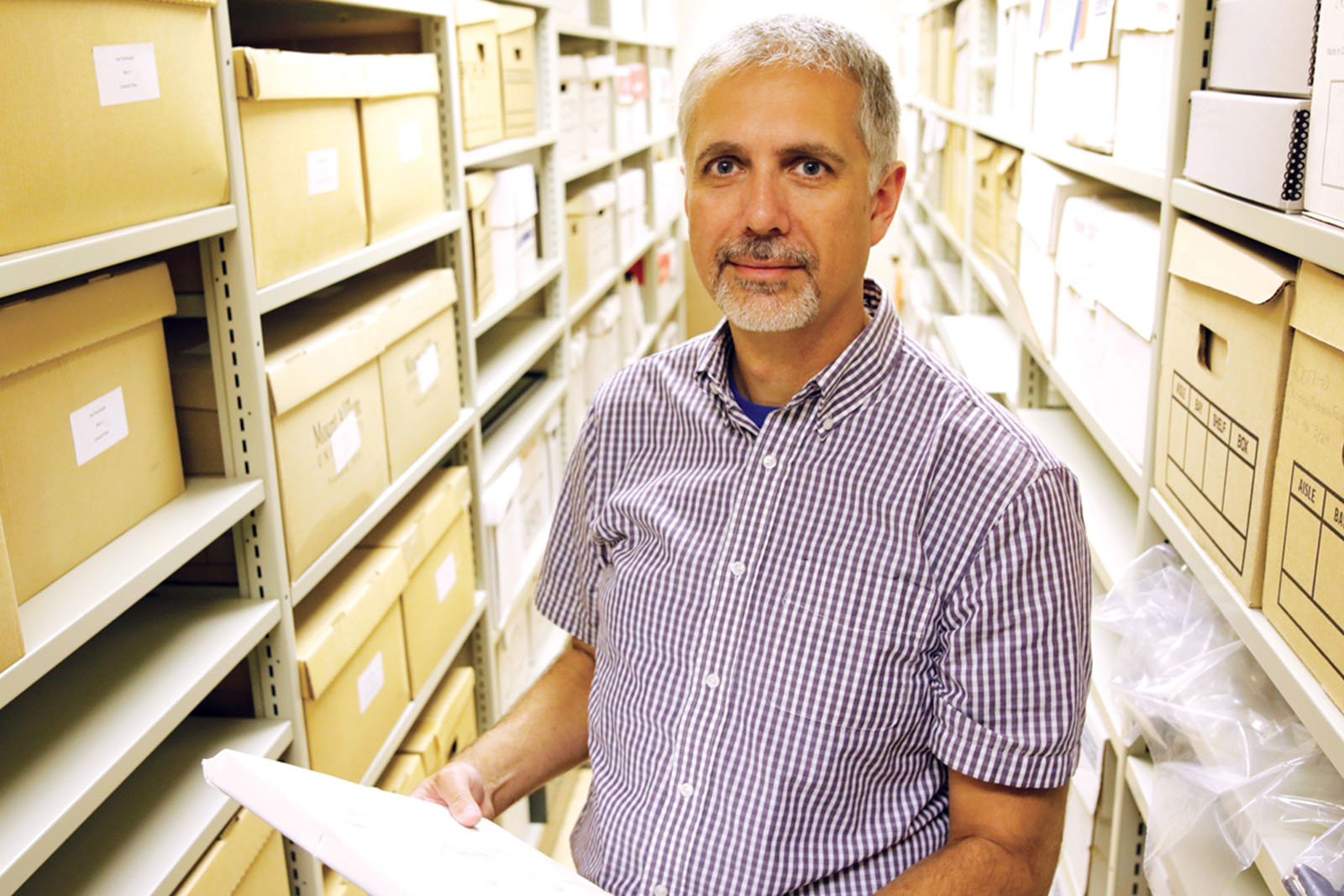
For Mawhinney, the Brontë project is an opportunity to begin working through those questions — and to help shape approaches that Canadian archives may increasingly need in the years ahead.
Put those perspectives together and the possibilities — and questions — become much bigger:
How should biological material be identified and stored? How can contamination be prevented? When is DNA testing ethically appropriate? And what happens when genetic information about someone who died generations ago could also reveal something about people living today.
While Charlotte Brontë may be the starting point, the implications of the research have potential to extend far beyond her story.
We now know that biological traces such as hair and teeth can survive for centuries — sometimes deliberately preserved, sometimes tucked inside letters, books, and personal belongings. For generations, these materials have largely been valued for their historical or sentimental significance.
Advances in DNA sequencing are changing that.
Suddenly, objects collected and preserved generations ago may hold information their original owners, collectors, and archivists could never have imagined accessing.
With that possibility comes responsibility.
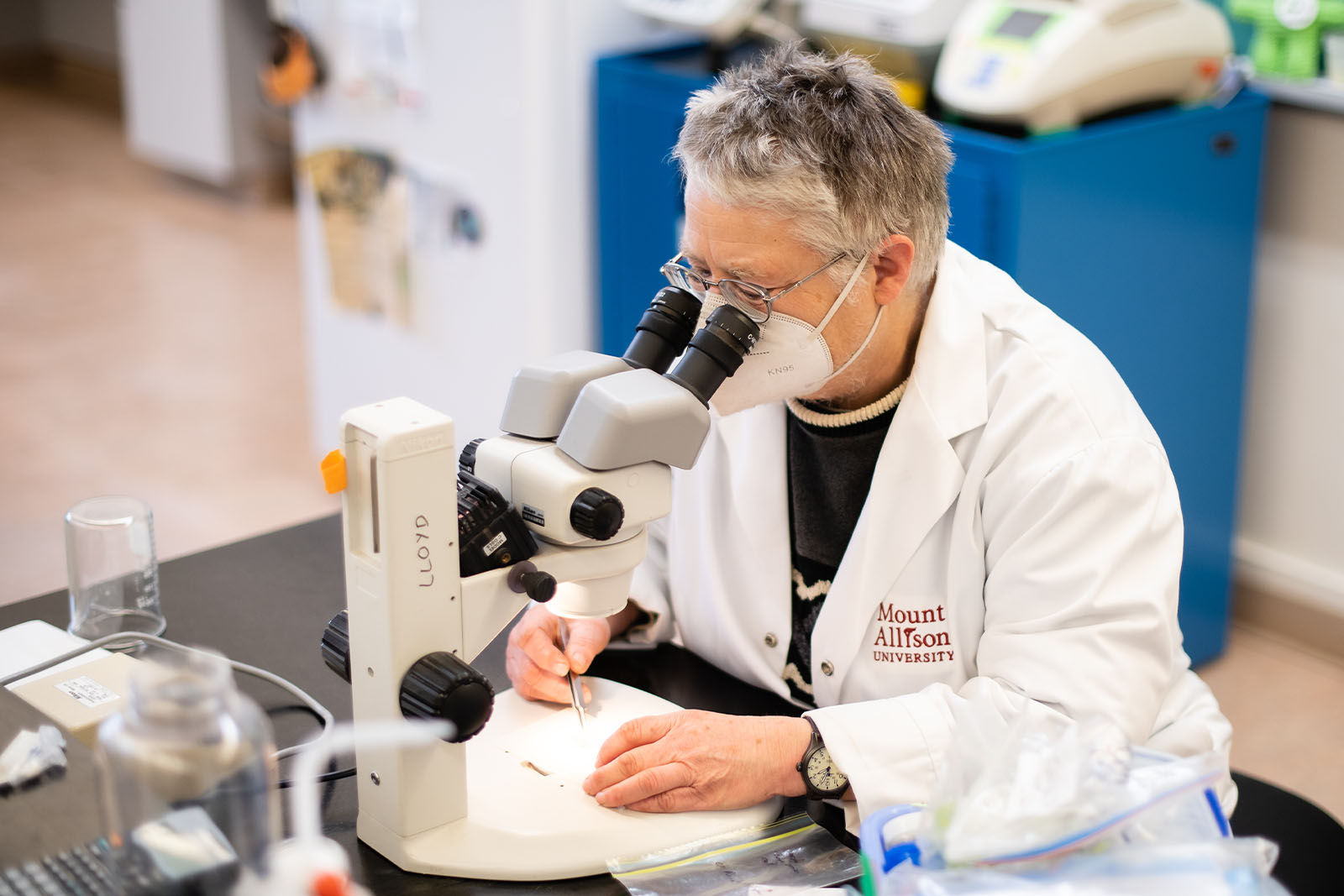
For Mawhinney and Lloyd, the Brontë research creates an opportunity to begin working through those questions in a Canadian archival context — and to consider what guidance archives could benefit from as this kind of research becomes increasingly possible.
The team hopes what they learn will help inform practical approaches to identifying, preserving, and researching biological materials in Canadian archival collections. In time, that work could have relevance well beyond literary archives, including historical, genealogical, archaeological, and other special collections.
Mount Allison students are part of that work, too.
Their roles include translating the genetic code into predictions about a person’s appearance and health, contributing to the development of archival protocols, and helping share the story of the research through a podcast and other media.
It adds another layer to a project built around connection: between science and the humanities, between historical objects and new technologies, and between established researchers and students learning and discovering alongside them.
“Literature, archives, and genetics each tell us something different about the past, and together they allow us to see Charlotte Brontë in entirely new ways,” says Fanning. “I'm most excited by the unexpected questions and discoveries that emerge when these different fields come together.”
In the end, the most lasting discovery from this research may be about far more than Charlotte Brontë. It may be a new way of thinking about what an archive might hold — and how we collect, preserve, understand, and care for it for generations to come. More than 200 years later, the Brontës’ story is still being written and this project shows that the archives of the future may hold discoveries we can hardly imagine today.